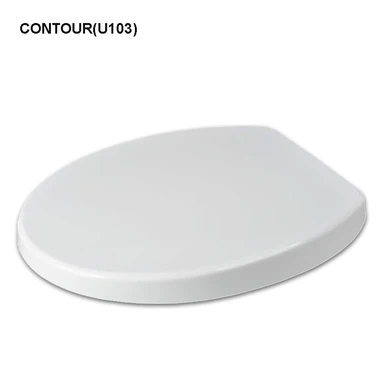
how to tighten toilet seat
Jul 23, 2024
A loose toilet seat is a common issue that can cause discomfort and inconvenience in your bathroom. Fortunately, tightening a toilet seat is a simple task that you can easily handle on your own. By the end of this article, you'll be equipped with the knowledge to fix this problem quickly and efficiently.
Why a Tight Toilet Seat Matters
Before diving into the how-to, it's essential to understand why a properly tightened toilet seat is crucial:
1. Comfort and Safety
A loose toilet seat can shift or slide during use, posing a safety hazard and causing discomfort. Tightening the seat ensures stability and prevents accidents.
2. Hygiene
A secure toilet seat helps maintain hygiene by preventing dirt and bacteria from accumulating in the gaps created by a loose seat. This makes cleaning easier and more effective.
3. Durability
A well-tightened toilet seat is less likely to suffer from wear and tear. Loose seats can cause stress on the hinges and bolts, leading to potential damage over time.
Tools and Materials You'll Need
To tighten your toilet seat, you will need the following tools and materials:
- Adjustable wrench or pliers
- Flathead or Phillips screwdriver (depending on the type of screws)
- Cleaning supplies (optional, for cleaning around the hinges)
Steps to Tighten a Toilet Seat
Step 1: Identify the Type of Toilet Seat
Toilet seats generally come in two types: those with standard screws and bolts, and those with quick-release mechanisms. Identifying the type of seat you have will help you approach the tightening process correctly.
Step 2: Locate the Bolts
Most toilet seats are secured with two bolts at the back. These bolts are usually covered with plastic caps. To locate them:
Lift the toilet seat and lid to expose the bolts.
Look for the plastic caps covering the bolts. Use your fingers or a flathead screwdriver to gently pry off the caps.
Step 3: Tighten the Bolts
Once the bolts are exposed, follow these steps to tighten them:
Standard Screws and Bolts:
Use a flathead or Phillips screwdriver to tighten the screws on top of the bolts.
If the bolts spin while you're tightening the screws, use an adjustable wrench or pliers to hold the nuts underneath the toilet bowl in place.
Quick-Release Mechanisms:
For seats with a quick-release mechanism, follow the manufacturer's instructions to remove the seat.
Once removed, tighten the mounting bolts using a screwdriver and wrench.

Step 4: Check the Tightness
After tightening the bolts, check the seat for stability. Sit down on the seat and gently move side to side to ensure it doesn't shift. If it still feels loose, repeat the tightening process until the seat is secure.
Step 5: Replace the Caps
Once the seat is tightened and secure, replace the plastic caps over the bolts. These caps help keep the bolts clean and provide a finished look.
Step 6: Clean the Area (Optional)
If you removed the seat or had to handle dirty bolts, take a moment to clean around the hinges and the area under the seat. This helps maintain hygiene and ensures a pleasant bathroom experience.
Common Issues and Solutions
1. Stubborn Bolts
If the bolts are particularly stubborn or corroded, applying a penetrating oil like WD-40 can help loosen them. Allow the oil to sit for a few minutes before attempting to tighten the bolts again.
2. Broken Bolts or Nuts
If you find that the bolts or nuts are broken or damaged, it's best to replace them. Most hardware stores carry replacement toilet seat bolts and nuts.
3. Quick-Release Seats
For quick-release seats, always refer to the manufacturer's instructions. Each brand may have a slightly different mechanism, and following the specific instructions will ensure proper tightening.
A loose toilet seat is a simple yet annoying problem that can be fixed with minimal tools and effort. Regular maintenance and timely adjustments can prevent future issues and extend the life of your toilet seat.
At Beewill, we are dedicated to providing top-quality bathroom solutions that enhance your everyday life. Contact us now!