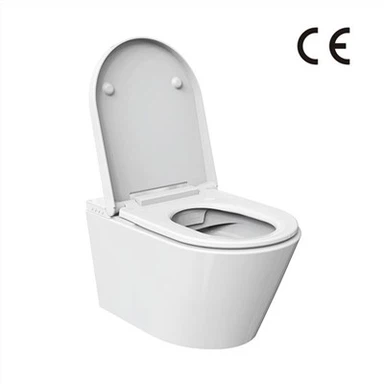
The Toilet Seat Conformed to Different International Standards
Apr 24, 2023
When you use the toilet in a public restroom or someone else's home, you may notice that the seat feels different than your own toilet, or that it has a different shape, size, or material. These variations are not just random preferences or accidents, but intentional designs based on different international standards for toilet seats. In this article, we will explore some of the main differences between these standards, and what they reveal about cultural, ergonomic, and environmental factors.
The oldest and most common standard for toilet seats is the round shape, which is still used in many countries, especially those that adopted early versions of the flush toilet from the Victorian era. The round seat is simple, cheap, and easy to install or replace, but it may not fit well on some elongated or compact bowls, and it may not provide enough support for larger or elderly users. To address these issues, many toilets nowadays have oval or contoured seats that extend further towards the front of the bowl, providing more surface area for the buttocks and better alignment with the urethra and anus. The length of the oval seat is usually around 18 inches, while the width may vary from 14 to 17 inches, depending on the brand and model.
Another dimension of toilet seat design is the height, which can affect the comfort, accessibility, and hygiene of the user. Low seats may require more flexion of the knees, hips, and back, which can strain the joints and limit the blood flow to the legs. High seats, on the other hand, may pose a challenge for people with disabilities or mobility issues, as well as for children or shorter adults. The standard height for most toilet seats is around 15 inches, but some models may offer options for lower or higher heights, or for adjustable or removable risers that can be added or removed as needed.
A third factor that influences toilet seat design is the materials used, which can affect the durability, maintenance, and aesthetics of the seat. Traditionally, toilet seats were made of wood, usually oak or mahogany, which were polished and varnished to resist water, stains, and scratches. However, wood can warp, crack, or rot over time, and may also harbor germs and odors if not cleaned properly. Nowadays, most toilet seats are made of plastic, either polypropylene or thermoset, which are lightweight, durable, and easy to clean, but may also feel cold, hard, or flimsy to some users. Some high-end toilet seats are made of other materials, such as ceramic, metal, or composite, which can provide a more luxurious and customized look, but may also be more expensive and difficult to replace.
Besides these physical features, toilet seats are also subject to different cultural norms and preferences, which reflect the values and habits of the societies that use them. For example, in Japan, toilets are often equipped with bidets, or water sprayers, that can be adjusted for pressure and temperature, and may also have air dryers, deodorizers, and seat warmers. This reflects the Japanese appreciation for cleanliness, efficiency, and comfort, as well as their sensitivity to environmental issues, as the bidets can reduce the use of toilet paper and water. In contrast, in many Western countries, such as the US, toilet paper is the main hygiene tool, and many people prefer not to share or touch the toilet seat with their bare skin, hence the popularity of disposable seat covers or sprays. This reflects the Western emphasis on privacy, individualism, and hygiene, as well as their concerns about germs and infections.
To conclude, the toilet seat is not just an unimportant detail of the bathroom, but a complex and fascinating object that reflects the diversity and complexity of human cultures and needs. By understanding the different international standards of toilet seat design, we can appreciate the ingenuity and ingenuity of human ingenuity, as well as learn how to choose the right seat for our own preferences and needs. Whether we prefer a simple and classic round seat, a contoured and ergonomic oval seat, or a hi-tech and eco-friendly bidet seat, we can all agree on the basic function of the toilet seat: to provide us with a comfortable and hygienic place to do our business. So, next time you sit on a toilet seat, take a moment to appreciate its form and function, and think of the many people and cultures behind it.