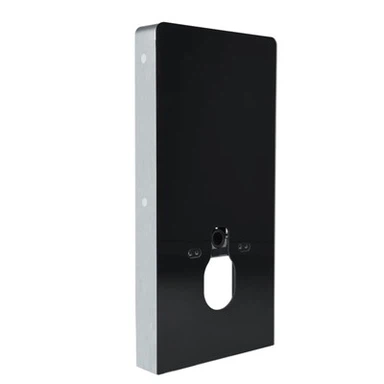
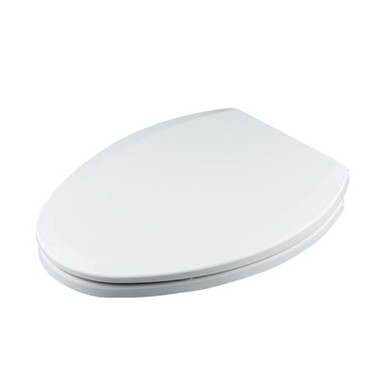
toilet seat manufacturing process
Oct 31, 2024
The Toilet Seat Manufacturing Process
1. How Are Toilet Seats Manufactured?
Material SelectionToilet seats are commonly made from materials like Duroplast, polypropylene (PP), and wood. Each material offers different durability, comfort, and aesthetic options.
Design and Prototyping
The design phase utilizes CAD software to create detailed models. Prototyping allows manufacturers to test designs for functionality and comfort before mass production.
Molding Process
The manufacturing process typically involves injection and compression molding techniques, which shape the material into the final product.
Finishing Touches
After molding, toilet seats undergo detailing and polishing to enhance durability and ease of cleaning.
Quality Control
Rigorous inspection methods ensure that each toilet seat meets durability and safety standards. Testing often includes stress tests and longevity assessments.
Packaging and Distribution
Finally, toilet seats are carefully packaged to prevent damage during transport, ensuring they arrive in perfect condition for retailers and consumers.
2. Key Components of a Toilet Seat
Seat and Lid
The seat and lid come in various shapes and sizes, allowing for compatibility with different toilet designs.
Hinges
Hinges are crucial for functionality. They come in various types, affecting how the seat opens and closes.
Bumpers
Bumpers are small components that provide stability and protect the toilet from scratches.
3. Material Considerations
Durability and Comfort
The choice of material affects both the longevity of the toilet seat and the comfort it provides during use.
Maintenance
Different materials require varying levels of care. For example, Duroplast is generally easier to clean than wood.
Cost Factors
The material choice also influences the price point, with some materials being more budget-friendly than others.
4. Environmental Considerations
Sustainable Practices
Many manufacturers are now using recycled or eco-friendly materials in their production processes.
Waste Management
Implementing efficient waste management strategies helps minimize environmental impact during manufacturing.
5. Design Trends
Smart Technology
Innovations in toilet seat technology include heated seats and integrated bidets, enhancing user experience.
Aesthetic Variations
Modern trends emphasize a range of colors and finishes, allowing consumers to match their bathroom decor.
6. Regulatory Standards
Safety Compliance
Manufacturers must adhere to safety standards to ensure their products are safe for consumer use.
Testing Procedures
Ongoing testing is essential to verify that toilet seats withstand daily use and remain reliable over time.
The manufacturing process of toilet seats involves a careful balance of innovation, sustainability, and safety. Understanding this process not only highlights the complexity behind a seemingly simple product but also emphasizes the importance of quality in bathroom fixtures.