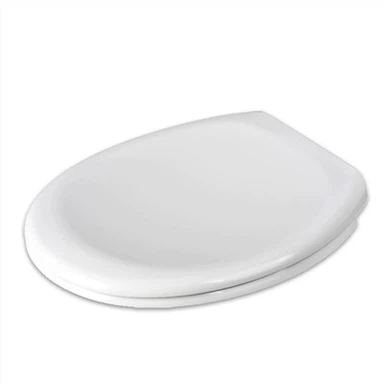
Toilet Seat Quality Control Process
Apr 14, 2026
Toilet Seat Quality Control Process: How Reliable Manufacturers Prevent Defects Before Shipment
For importers, distributors, and private label brands, choosing a toilet seat supplier is not only about price - it is about risk control.
When buyers search for the toilet seat quality control process, they are really asking:
- Will this supplier deliver consistent quality in large orders?
- Will products fail after 3–6 months of use?
- Can the factory pass third-party inspection?
This article explains the real quality control workflow used by professional manufacturers to prevent defects long before shipment.
Why Toilet Seat Quality Control Is More Complex Than Most Buyers Expect
Toilet seats are often seen as simple plastic products. In reality, they are mechanical products with moving components. Durability depends on materials, curing stability, hinge performance, and batch consistency.
The most common market complaints include:
- Soft-close failure after several months
- Seat cracking during transport or winter
- Rusty or loose hinges
- Color differences between shipments
Most of these problems are not visible during final inspection. They appear months later in the customer's bathroom.
This is why reliable factories focus on process-based quality control, not only final inspection.

Overview of the Complete Quality Control Flow
- Incoming Material Inspection (IQC)
- Compression Molding Process Control
- Polishing & Appearance Inspection
- Damper and Hinge Testing
- Assembly Line Inspection
- Packing & Pre-Shipment Inspection
Step 1 – Incoming Material Inspection (IQC)
Quality starts before production begins.
Raw Material Verification
- Urea / PP granule inspection
- Moisture content control
- Color batch verification
Components & Packaging Inspection
- Dimensional check
- Appearance inspection
- Salt spray corrosion testing for hinges
- Supplier certification verification
Hidden industry fact: Many long-term defects originate from poor material drying. If moisture is not strictly controlled, micro-cracks may appear months later.
Step 2 – Compression Molding Process Control
- First-piece approval
- Assembly trial testing
- Dimensional verification
- Surface quality inspection
At this stage, consistency is more important than speed. Defects prevented here are far cheaper than defects discovered after production.
Step 3 – Polishing and Appearance Inspection
- 100% appearance inspection
- Scratch and defect removal
- Gloss and color consistency control
Industry reality: Color consistency is a major source of e-commerce returns. Even small color differences become visible under LED bathroom lighting.
Step 4 – Damper and Hinge Durability Testing
The soft-close hinge system is the most critical functional component.
Key Functional Tests
- Soft-close life cycle testing
- Torque and damping adjustment
- Load testing above 150 kg
Important industry insight: Many suppliers test hinges alone. Reliable manufacturers test the hinge with the full seat weight, because weight matching determines real lifespan.
Step 5 – Assembly Line Inspection
- First piece inspection
- Functional verification
- Appearance inspection
- Assembly accuracy check
This stage ensures that molded parts, hinges, and components work together correctly.
Step 6 – Packing and Pre-Shipment Inspection
- Packing method verification
- Random functional testing
- Approval sample comparison
- Customer complaint history review
- Shipment monitoring and photo records
Batch traceability is essential for large retailers and long-term OEM cooperation.
⭐ Expert Insight from a Manufacturer
From our experience, most toilet seat defects do not occur during final inspection. They originate from material drying and hinge durability mismatches.
Buyers often focus on appearance during factory visits. However, after entering the market, the most common return reason becomes soft-close failure after 3–6 months.
Another common misunderstanding is relying only on final inspection. True quality is built during materials, process control, and durability testing.

📈 Industry Insight
Global buyers are raising durability standards.
- 30,000–50,000 cycle soft-close testing is becoming standard
- Batch traceability is now required by major retailers
- Process documentation is essential for third-party inspection
The industry is shifting from price competition to return-rate reduction and supply stability.
Reliable toilet seat quality is built long before shipment.
True quality comes from strict material control, process monitoring, durability testing, and batch consistency management working together to prevent defects before products reach customers.