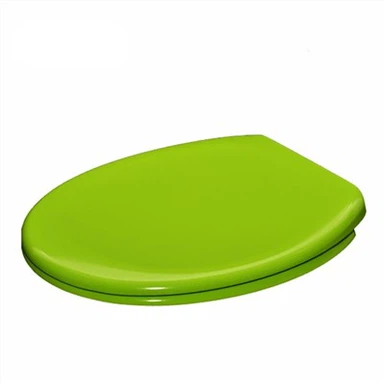
why are public toilet seats u shaped
Jun 26, 2023
Why Are Public Toilet Seats U-shaped?
Using public toilets is a common and necessary experience for many people. However, have you ever wondered why public toilet seats are U-shaped instead of the more traditional circular shape found in homes? While it may seem like a small detail, this design choice actually has some interesting historical and practical reasons behind it.
One of the primary reasons for the U-shaped toilet seat design is hygiene. Traditional circular toilet seats often feature a small gap between the seat and the porcelain bowl, which can be difficult to clean and harbour germs and bacteria. The U-shape eliminates this gap entirely, making the seat easier to clean and reducing the likelihood of bacteria growth. This is especially important in public restrooms, where many different people use the same facilities and cross-contamination is a risk.
Another reason for the U-shaped design is comfort. The shape of the seat allows for more space in the front, which can be especially beneficial for men who may need more room for their genitals during urination. Additionally, the shape allows for a more natural, comfortable sitting position for women.
The U-shaped design also has a historical context. In the 1950s, public restrooms were exclusively segregated by gender, and many men’s restrooms featured urinals in addition to toilet stalls. The U-shape allowed men to use the toilet while standing up, without having to remove or adjust their clothing. This design also allowed more urinals to fit in the space, increasing efficiency and accommodating more users.
Today, U-shaped toilet seats remain popular for their hygiene and comfort advantages, but their original purpose is becoming less relevant.
In addition to the U-shape, public toilet seats often feature other design elements intended to promote hygiene. Many seats are made of antimicrobial materials or treated with antibacterial coatings. Automatic flushing mechanisms reduce the need for users to touch the handle, minimizing the spread of germs. Additionally, some bathrooms feature hands-free sinks, soap dispensers, and dryers, further reducing opportunities for bacteria transmission.
In conclusion, the U-shaped toilet seat design of public restrooms has practical and historical reasons behind it. While its original purpose of accommodating urinals is becoming less relevant, the design continues to offer the advantages of hygiene and comfort.