


The Most Durable Toilet Seats Built To Last
Aug 12, 2025
What Makes a Toilet Seat Durable?
The most durable toilet seats combine suitable materials, dependable hinges, stable fixings and consistent manufacturing quality. Duroplast is a strong option for surface hardness and scratch resistance, while polypropylene offers flexibility and impact resistance.
For bathrooms with frequent daily use, durability depends on the complete product rather than the seat material alone. The hinge system, support buffers, installation and maintenance all influence service life.
Best Materials for Long-Lasting Toilet Seats
Toilet seat materials differ in rigidity, impact resistance, appearance and maintenance requirements.
Duroplast (UF)
Duroplast is a thermoset material with a hard, smooth surface. It is commonly selected for premium residential and commercial toilet seats where surface finish and rigidity are important.
Polypropylene (PP)
Polypropylene is a lightweight thermoplastic with good flexibility and impact resistance. It is widely used in practical, high-volume toilet seat ranges.
Both materials can provide reliable performance when the seat body, hinges and fixing components are properly designed.
Toilet Seat Material Comparison
The following comparison highlights practical differences between commonly used toilet seat materials. Actual durability depends on the individual product design and installation.
| Material | Main Strength | Consideration | Typical Application |
|---|---|---|---|
| Duroplast (UF) | Rigid structure and hard surface | Impact resistance and hinge compatibility | Residential, hospitality and commercial bathrooms |
| Polypropylene (PP) | Flexibility, impact resistance and low weight | Seat reinforcement and surface wear | Residential, rental and high-volume product ranges |
| Solid Wood | Warm appearance and substantial feel | Moisture protection and surface coating | Residential and decorative bathrooms |
| Stainless Steel | Rigid metal construction | Surface comfort, finish and installation | Selected institutional and industrial facilities |
Five Features That Help Toilet Seats Last Longer
1. Soft-Close Hinges
Damping mechanisms slow the seat and lid during closing, reducing sudden impact.
2. Durable Hinge Materials
Suitable metal or engineered hinge components support repeated opening and closing.
3. Stable Fixing Hardware
Correctly installed fixings reduce movement and unnecessary stress on hinge connections.
4. Well-Positioned Buffers
Support buffers help distribute contact between the seat and the ceramic toilet rim.
5. Consistent Surface Finish
Controlled molding and finishing help maintain a smooth, easy-to-clean surface.
6. Correct Toilet Fit
Matching the seat shape and fixing dimensions helps prevent instability during use.
Choosing Durable Toilet Seats for Different Bathrooms
A durable toilet seat should match the bathroom's usage frequency, toilet shape and maintenance requirements.
- Residential bathrooms: Balance surface finish, comfort and ease of cleaning.
- Hotels and offices: Prioritize reliable hinges, stable installation and straightforward maintenance.
- Schools and shared facilities: Consider impact resistance, frequent cleaning and replacement hardware.
- Retail and OEM ranges: Select materials and hinge options according to the target market.
Beewill supplies both Duroplast toilet seats and PP toilet seats for different product requirements.
How Beewill Builds Durability into Toilet Seats
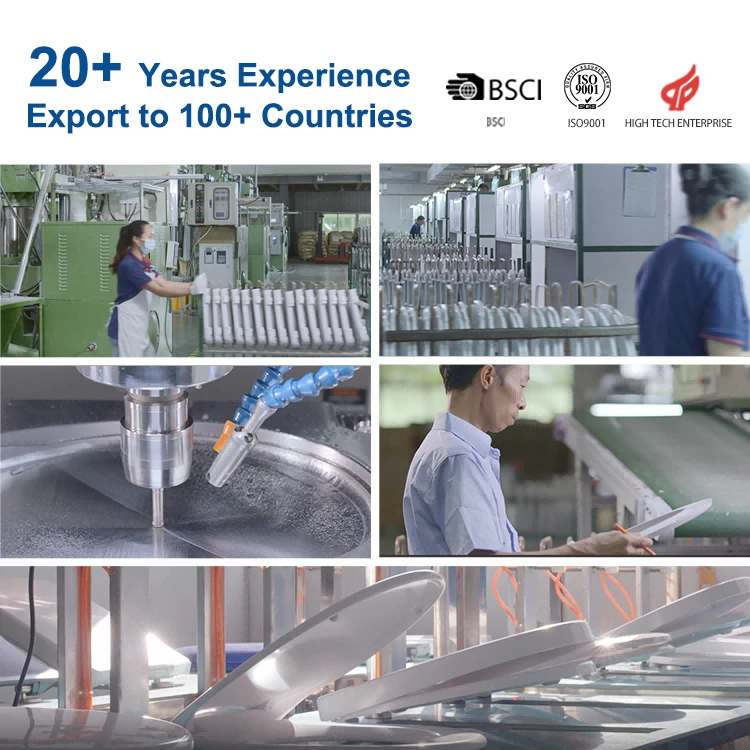
At Beewill, we use controlled production processes to support consistent toilet seat quality. Our Duroplast manufacturing includes automatic pressing and polishing systems, while product inspection and batch identification support quality management.
Controlled pressing forms the Duroplast seat body.
Automated polishing supports a smooth, consistent finish.
Quality checks cover finished components and assembly.
Production identification supports follow-up and quality review.
Learn more about our quality assurance practices and manufacturing approach.
How to Evaluate Toilet Seat Durability Before Buying
Product appearance alone cannot establish long-term performance. Buyers should compare construction details, hinge specifications and relevant test results.
- Check the material. Confirm whether the seat is made from Duroplast, PP or another material.
- Review the hinge configuration. Identify the hinge material, fixing method and closing function.
- Assess structural performance. Review relevant load and durability tests for the selected model.
- Confirm toilet compatibility. Check seat dimensions, bowl shape and fixing-hole spacing.
- Consider maintenance. Look at cleaning access, quick-release functions and replaceable components.
- Compare quality documentation. Review the product specification and available inspection records.
Why Hinges Matter as Much as Seat Material
A strong seat body may still become unstable if the hinge system loosens or wears prematurely. For frequently used bathrooms, hinge quality is an important part of the purchasing decision.
Standard Hinges
A straightforward option for seats that do not require damped closing.
Soft-Close Hinges
Reduce slamming through a controlled closing mechanism.
Quick-Release Hinges
Allow easier seat removal for cleaning around the fixing area.
Compare our hinge options or read the guide to toilet seat hinge types.
How to Make a Toilet Seat Last Longer
Routine care helps preserve the seat surface and keeps the fixing system working properly.
- Clean the seat with a soft cloth and mild cleaner.
- Avoid abrasive pads and unsuitable harsh chemicals.
- Inspect hinge screws and fixing hardware periodically.
- Keep support buffers correctly positioned.
- Avoid standing on the toilet seat or using it as a step.
- Replace damaged hinges or cracked seat components.
Durable Toilet Seats for Distributors and Projects
For importers, bathroom brands and project buyers, long-term durability affects replacement costs, maintenance and customer satisfaction.
We can discuss seat materials, shapes, hinge configurations and OEM requirements according to your target market.
| Buying Requirement | Details to Specify |
|---|---|
| Seat Material | Duroplast (UF), polypropylene (PP) or another required material |
| Seat Shape | Round, elongated, D-shaped or model-specific geometry |
| Hinge System | Standard, soft close, quick release, top fix or bottom fix |
| Performance | Required load, hinge durability and relevant test documentation |
| OEM Supply | Branding, finish, packaging, quantity and destination market |
Explore Toilet Seat Materials and Buying Guides
Find Durable Toilet Seats for Your Product Range
Contact Beewill to compare Duroplast and PP toilet seats, hinge configurations, product testing requirements and OEM supply options.
Discuss Your Toilet Seat RequirementsFrequently Asked Questions
Duroplast offers a hard, rigid surface, while polypropylene provides flexibility and impact resistance. The best material depends on the application and complete seat design.
Duroplast seats are valued for rigidity and surface hardness. Their service life also depends on molding quality, hinges, installation and daily care.
Yes. Well-designed PP toilet seats can provide reliable daily performance. Their flexibility and impact resistance make them suitable for many residential and commercial applications.
Soft-close hinges reduce sudden closing impacts. Their own durability depends on the damping mechanism, materials and quality of installation.
Look for suitable material construction, tested hinge durability, secure fixings and easy maintenance. The selected seat should match the expected usage level.
Relevant evaluations may include static load, impact resistance, hinge cycling and fixing stability. Test requirements depend on the product and destination market.
Yes. We offer Duroplast and PP toilet seat options and can discuss hinge configurations, branding, packaging and product requirements for wholesale buyers.


